
Notes from the Field | Richard Kamei and Sonam Dorji, Memoirs, and Fieldwork in Bhutan: Cultivating Rice, Sustaining Bonds
In the Himalayan region, in Bhutan and Northeast of India, rice is present in every passage of life from birth to death, and beyond. Rice is regarded as an elixir of life for the nourishment it provides and the sustenance it offers to life, custom, and cosmology. Rice's prominent role in the region is not isolated; it holds similar significance in many communities worldwide. In fact, according to the existing literature, agricultural activity marks the transition from a hunting-and-gathering lifestyle to a settled life, paving the way for the start of rice cultivation (Crystal & Whittlesey, 2004). Rice cultivation is integral in the Rongmei Naga of northeast India and the Bhutanese of Bhutan for the food it provides and the socio-cultural and ritual aspects it fosters.
In a time of significant impact from globalization, climate change, and technological advancement, rice cultivation in Bhutan is changing, yet its relevance remains. An anthropological study of rice cultivation can offer insights into how it responds to the decline of community values and to emerging phenomena such as urbanization, migration, and weather uncertainty. In turn, anthropology can also reveal how this response reshapes and reorients the economic, social, cultural, and religious aspects of rice cultivation. This is also crucial for Asian studies, as the experience parallels that of rice-cultivating communities in Asia.
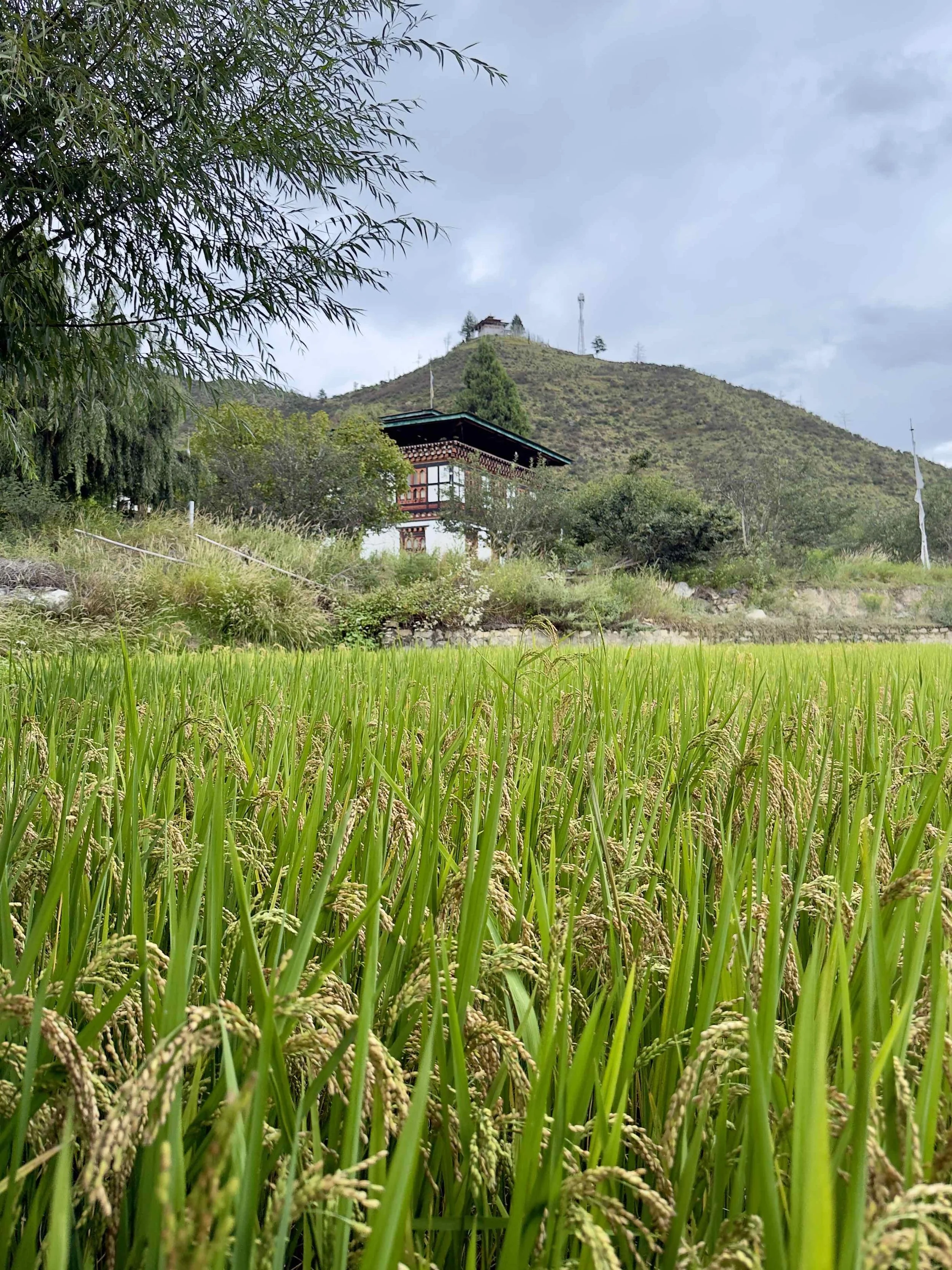
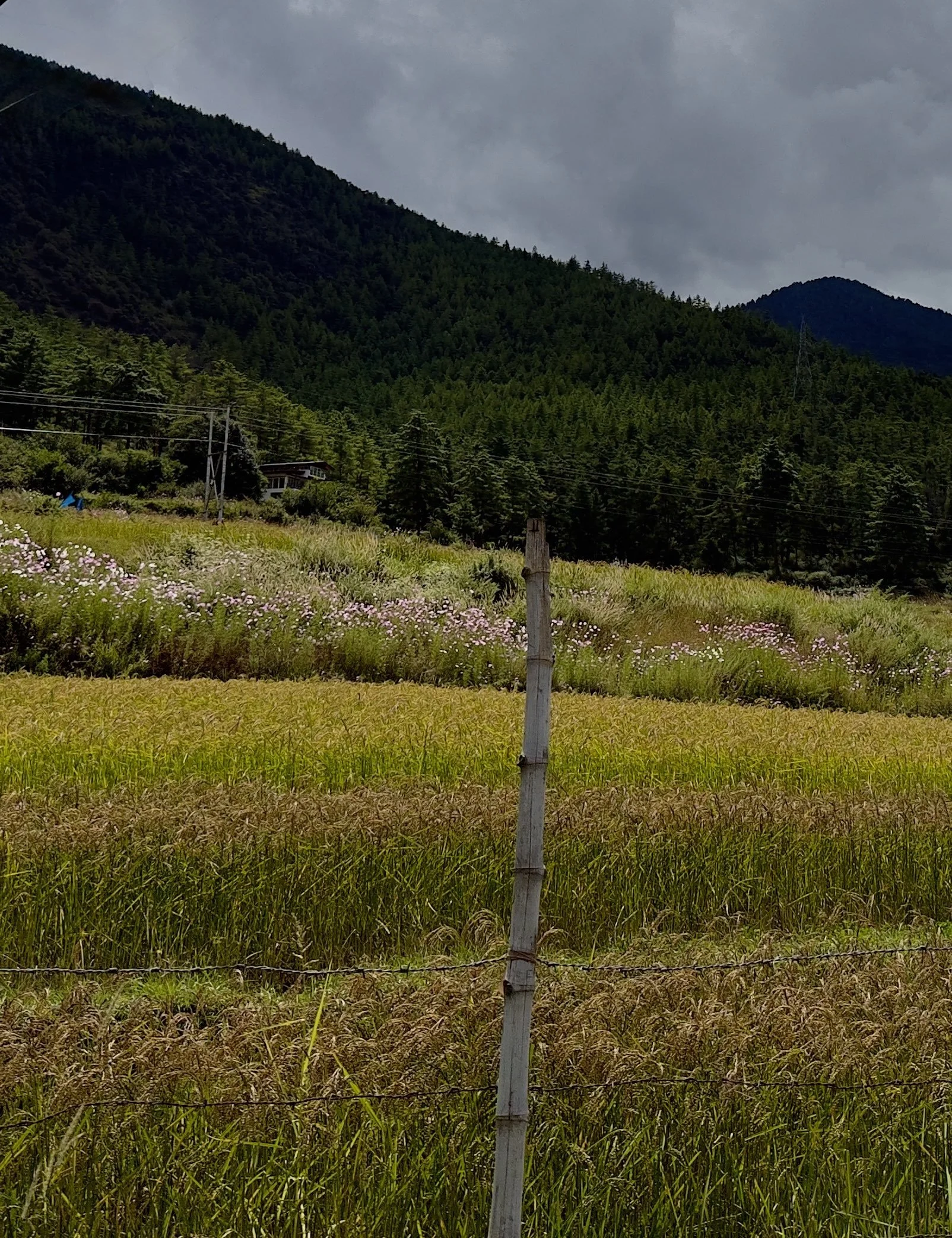
Growing up in Namthanlong village of Imphal West, Manipur, one of the authors of this fieldnote, still carries a faint memory of a first visit to the rice harvest, where people from his village came together to help a particular house for a successful rice cultivation, and that house, in turn, reciprocated by helping with the rice harvest work of other houses. A tractor ride to a paddy field on a bumpy and narrow road lined with cosmos blooms and other wild flowers sits in memory. He was barely 4 or 5 years old when he had his first experience of rice harvesting. The villagers coordinated to perform the rice harvest work. The lunch period means everyone has to pause work altogether and eat together. The karuthu (rice bean) chutney, mixed with roselle leaves and ginger slices, was served alongside other dishes, but he vividly remembers only this particular chutney, as its taste was particularly good. He still recreates this chutney to this day, reliving the first experience of rice harvest. He said this because, after that visit to the paddy field for rice harvest, he enrolled in school, and a transformation fueled by urbanity and development began to take shape in Imphal West, bringing about major changes that affected rice cultivation. Rice cultivation thereon in response to changes started to decline gradually, and the sound of tractors for rice harvest around the onset of winter dwindled. The community help known as laogot tatmei, which supports successful rice cultivation, also slowly fades into memory. This is the case of Imphal West. However, in the hills of Manipur, where rice cultivation continues, and on the outskirts of Imphal, the practice of laogot tatmei still exists.
Similar memory holds for the other author of this fieldnote, from Bhutan. He shared that growing up, he observed people working in paddy fields, which require physical strength and an intense workload. However, he did not experience or remember engaging in rice cultivation. He lamented not participating in rice cultivation as a Bhutanese, attributed to growing up in a town marked by urbanization. Yet, the importance of rice in the way of life as a Bhutanese is very pronounced is highlighted as he reminisces about how his parents advised him to respect rice while having meals, not to waste even a single grain, and share their struggles during their time with little rice to eat and the hardships they faced in cultivating rice. He now sees and acknowledges rice as a staple diet for every Bhutanese, plays an important role socially, economically, and culturally, contributing to the philosophy of Gross National Happiness of Bhutan.
Reflecting on our shared memories of rice cultivation and its continued significance in our respective communities, we began to incorporate its relevance into our work in food studies. We conducted research on rice, as there is scope to view it through an anthropological lens. Using anthropological methods, we took our curiosity to villages to understand the community value attached to rice cultivation and how rice farming, in turn, shapes human experiences across time. We are also aware that rice is a staple food in Bhutan and that its social, cultural, and religious aspects resonate across South and Southeast Asia and among rice-consuming communities worldwide. Staying away from home in Bhutan, one of the authors thinks of home in Manipur, set against the backdrop of paddy fields and cosmos blooms. Bhutan offers a similar landscape, as he recalls from his time in Manipur, where rice cultivation along the slopes of mountains is abundant in Thimphu, Paro, and Punakha, which he regularly visits. He conducted research on alcohol and found that, besides maize, wheat, millet, barley, and buckwheat in Bhutan, rice is also used to make alcohol (Wangchuk et al., 2024). He began to consume more locally produced rice in Bhutan, which is tastier and brings back memories. In the context of these reveries about rice, we have decided to conduct the ongoing research on rice cultivation.
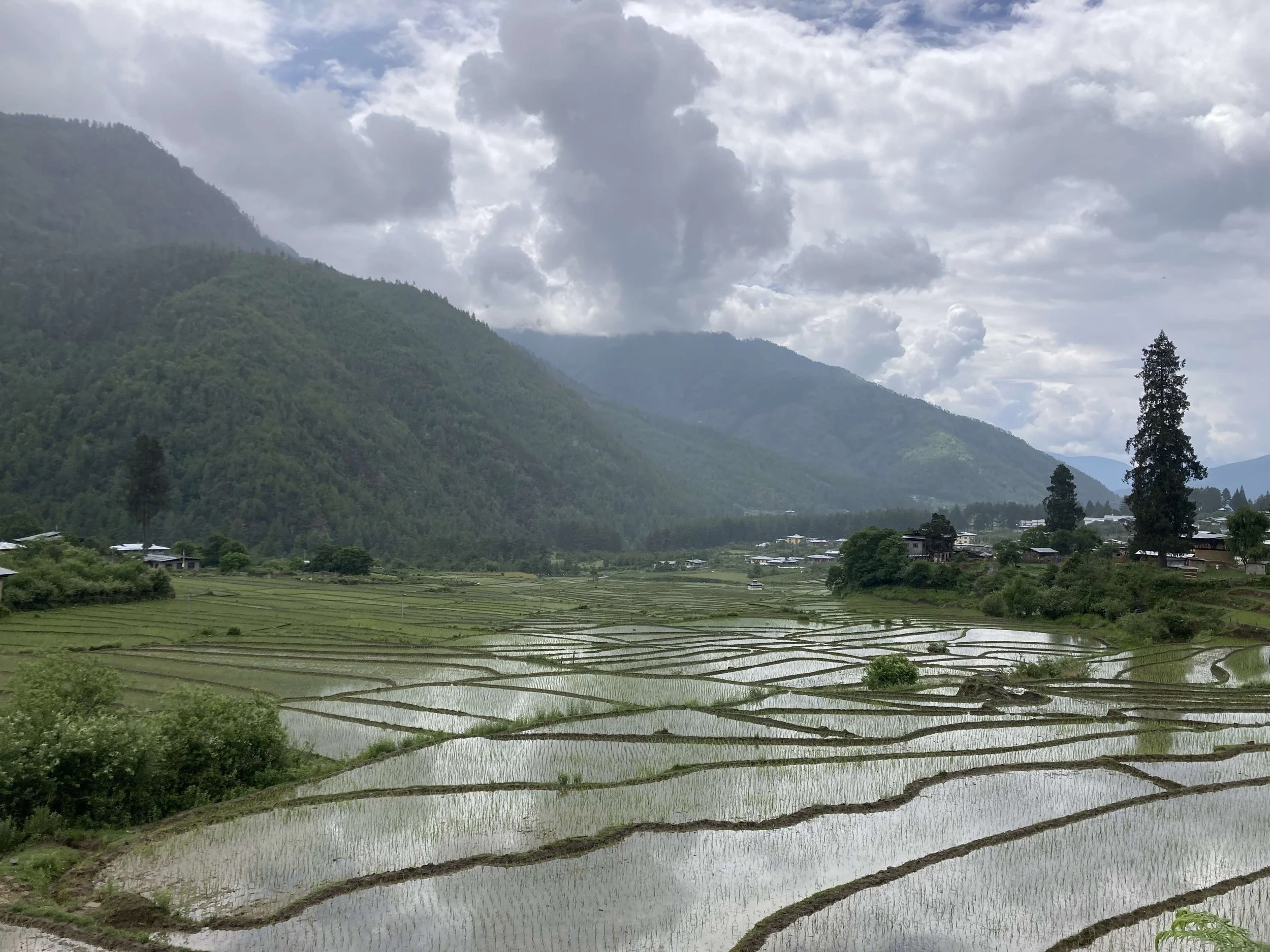
Image 3: Paro Valley in Bhutan. Source: Authors (2022)
As a Rongmei Naga, an indigenous people of northeast India who is exposed to indigenous writing and the call for decolonization (Smith, 2012), researching in Bhutan raises many questions for one of the authors. He says this because his research in Bhutan culminates in knowledge production in which agency matters, and he strongly believes that Bhutanese agency is crucial to the knowledge being produced, particularly in light of epistemic violence, a significant concern in academic research on indigenous knowledge. He is aware of the challenges he takes and he sees that this approach is not perfect. Yet, in the spirit of respect for Bhutan, he makes every effort to ensure that his research is collaborative and centers on Bhutanese agency, not only at the data level but also in the writing. This stems from his understanding and experiences as a Rongmei Naga in the academic world, where they are often undermined, and their agency is rarely visible or acknowledged. This approach and thought linger on as he carried forward the research on rice cultivation with the other author, Sonam Dorji. Tobgay's (2022) words on decolonization, given the state of Bhutanese scholarship, also speak volumes, urging a focus on archive, vernacular languages and oral history to bring forth Bhutanese agency in academia.
Collaborating on rice research between a Rongmei Naga from Manipur, India, and Sharshop from Bhutan brings a multitude of perspectives to our research, including language and cultural nuances, enriching our understanding of rice and facilitating smooth fieldwork. For one of the authors, teaching as a profession in Bhutan, sparing time to learn a new language remains a challenge. Sonam Dorji’s involvement in the research fills that gap as he speaks Dzongkha language, the national language of Bhutan. Using an anthropological lens, we believe this research will provide knowledge about human experience in rice cultivation. Rice research particularly helped us achieved many insights into its relevance to human reciprocal relationships with food and people. Learning local rice terminology, methods, and, importantly, different regions' understanding of rice within their own cultures is what truly matters to know and understand the stories of people. On the part of the author belonging to Rongmei Naga, he contributes by providing a theoretical lens, addressing methodological issues, and discussing research ethics, while making decisions jointly for our research. Planning ahead and being in rhythm with a field that requires patience and composure are essential aspects that we adhered to when using ethnography in our rice research in Bhutan. We covered Paro, Punakha, Thimphu, Phobjikha, Bumthang, Sarpang, and Zhemgang in Bhutan by speaking and interacting with people in paddy fields, verandahs, lawns, moving taxis, around bukhari (wood-burning traditional heater), lhakhangs (worship place), cafés, markets, football matches, and over email.
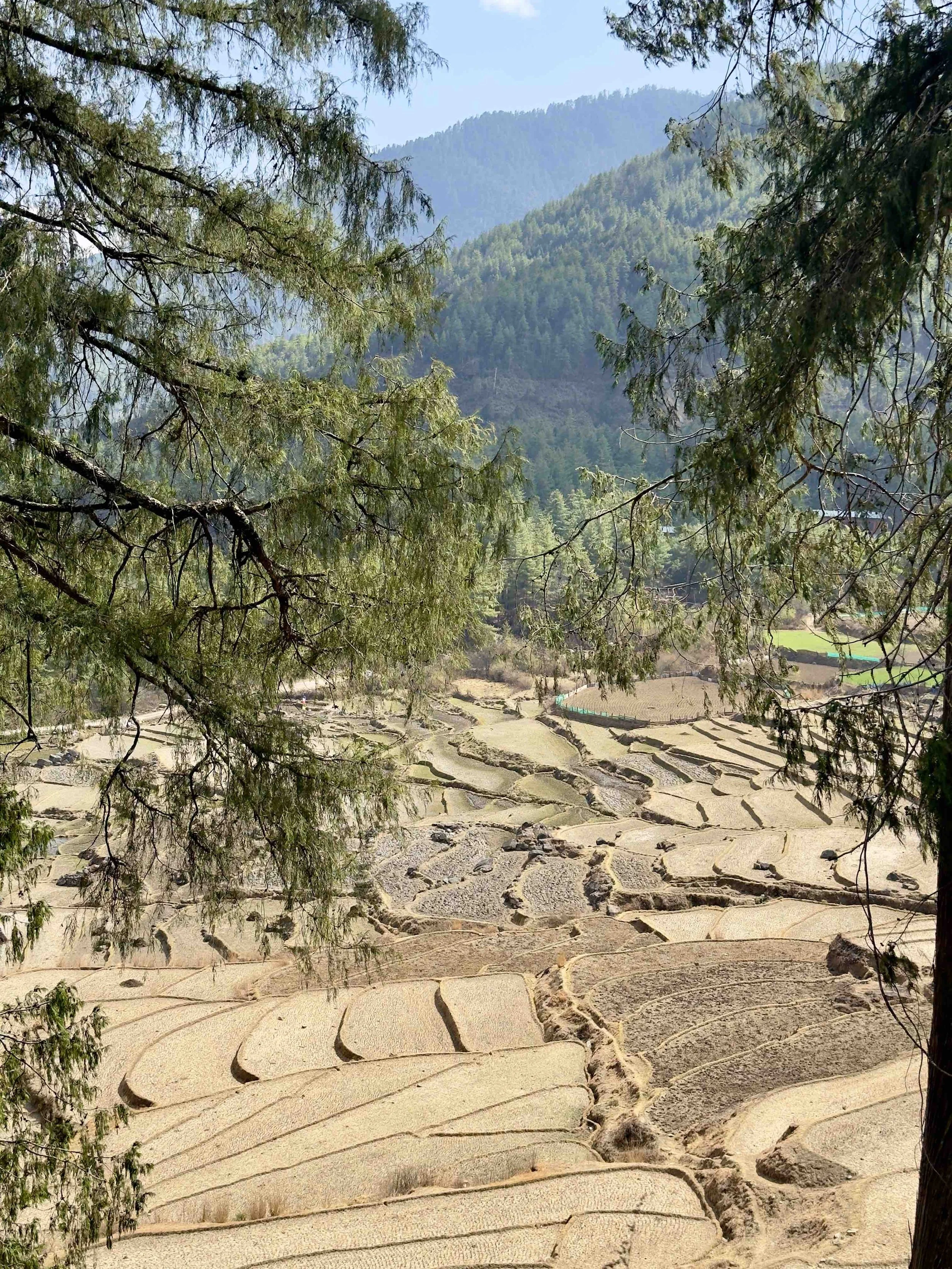
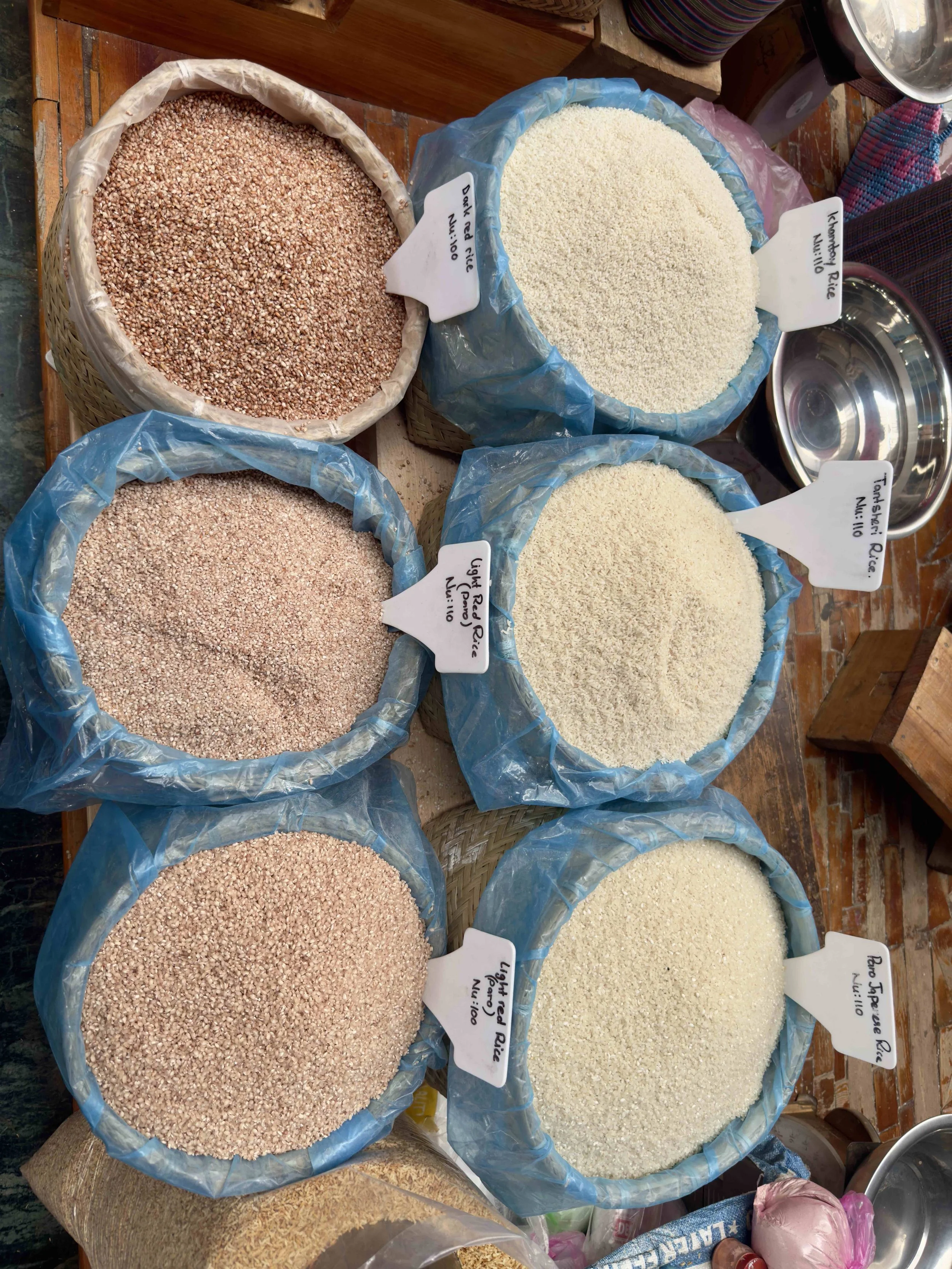
Rice cultivation in Bhutan is labour-intensive, like any other place in the world. In the context of Bhutan, rice cultivation has its own challenges, in terms of import of rice from neighbouring countries, such as India, fills the deficit of rice production in meeting the need of population for rice consumption (Tashi et al., 2022). During one of our fieldwork periods that spanned the entire year 2025, we visited the farmers’ market in Thimphu, specifically a section where rice from Bhutan is sold. Though our literature review and Sonam Dorji’s lived experience provided us understanding of rice, we decided to speak to women selling rice cultivated from Bhutan, to get a sense of which place they receive maximum rice, and which type of rice is favoured among the customers, and to learn some trends associated with rice cultivation. We reached out to women vendors, initiated a conversation, explained our research agenda, and asked for their consent to conduct a brief interview. However, our request was unsuccessful, except for one woman with whom we interacted and inquired about our research interest associated with rice and its cultivation. From this visit, we learnt that it is very challenging and inconvenient for women vendors in a busy market to participate in an interview, and for most of them, such participation, even for a short time, may affect their rice sales. We treated this as part of our fieldwork for research, where we had to be patient and accept any uncertainty that came our way.
In our rice research, we examine the work performed for successful rice cultivation and how it is rooted in the Bhutanese way of life, upholding community ethos and well-being. We focused on the tradition of exchanging labour for rice cultivation in Bhutan, highlighting how it requires the involvement of a village and people from surrounding areas to achieve a successful harvest. Building on this curiosity, we situate this practice within the contemporary period in our research. In doing so, we learnt that people extend help to others through reciprocity and labour exchange to ensure successful rice cultivation. People help each other in the tradition of ensuring that no one is well unless the well-being of the community is met. This tradition is carried out with the expectation of receiving help with their rice cultivation. Food, alcohol, and doma (betel nut) are abundant in circulating and rendering social bonds and a sense of belonging around rice. Our fieldwork revealed that this practice has varied terms, primarily in relation to the nature of reciprocity or help without expectation, which evokes comparisons to “exchange labour” and “festive labour”. These terms are lemey system, laktsab, lekhey tani, khey tala, and chok dhi dego used in various parts of Bhutan.
Despite different terminologies used to express and communicate various aspects of rice cultivation across the country, the support received for successful rice cultivation centres on upholding community well-being. This ethos ensures they exchange or reciprocate labour for successful rice cultivation without expecting money in return. Our field accounts also find that the traditional labour exchange is more pronounced in rice cultivation, given the labour-intensive nature of the process, which requires more manpower for successful rice cultivation. We inquired about other crops, such as potatoes, buckwheat, maize, and wheat, and whether similar practices exist in these crops. We were informed that some degree of traditional labour exchange exists, but not to the same extent as in rice cultivation, as these crop cultivations do not require the same level of labour as rice cultivation.
As this “note from the field” details, our research journey and ongoing writing process allow us to highlight at this point that our fieldwork accounts indicate an emerging trend in rice cultivation. These trends include youth migration, the pull of migrant laborers, modernization, mechanization, climate uncertainty, the gradual disconnection from tradition, and globalization. In response to these trends, the labor exchange and festive labor in rice cultivation are taking on new meanings, increasingly shifting from a community value, as Kinga (2008) notes that during rice cultivation, the labor exchange is carried out with community spirit, without any obligation or coercion. As community value in rice cultivation declines, people now resort to hiring laborers at wages, and the available laborers are another challenge, as migrating youths and people increasingly abandon agriculture. All these raise questions about the system of labor exchange and reciprocity that nourished and sustained the Bhutanese way of life. We also observed that rice cultivation is present in both high-altitude areas, such as Bumthang, and in lower-altitude areas, such as Sarpang. Tashi et al. (2022) note that rice cultivation occurs in every district of Bhutan. In closing remarks, we would like to state that studying rice cultivation, with a focus on labor exchange, informs us that the culture of community well-being requires practice for its continuity. Continuity in this form is important for sustaining social bonding and well-being for everyone.
Acknowledgement:
We acknowledge and thank Royal Thimphu College (RTC), Thimphu, Bhutan, for supporting our research as part of RTC's Research and Development Grant.
References:
Crystal, E. & Whittlesey, P. (2004). The role of rice in Southeast Asia. Education about Asia. 9(3), 50–55. https://www.asianstudies.org/wpcontent/uploads/the-role-of-rice-in-southeast-asia.pdf
Kinga, S. (2008). Reciprocal exchange and community vitality: The case of Gortshom Village in Eastern Bhutan, Proceedings of the Third International Conference on Gross National Happiness, 31–64. Thimphu: The Centre for Bhutan Studies.
Smith, L. T. (2012). Decolonizing Methodologies: Research and Indigenous Peoples. United Kingdom: Bloomsbury Academic.
Tashi, T., Dendup, C., Ngawang, & Gyeltshen, S. (2022). Rice self-sufficiency in Bhutan: An assessment. Asian Journal of Agricultural Extension, Economics & Sociology, 40(2), 18–28.
Tobgay, Y.W. (2022). Bhutan: History, scholarship and emerging agency in the Bhutanese narrative. In J.J.P. Wouters & M.T. Heneise (Eds). Routledge Handbook of Highland Asia (pp. 221–233). Routledge. DOI: 10.4324/9780429345746-20 221
Wangchuk, J., Dechen, K., & Kamei, R. (2025). Flow of Liquor across Time in Bhutan: Culture and Consumption of Liquor. Rig Tshoel, 7(1), 50–67.
Richard Kamei is a senior lecturer in anthropology program at Royal Thimphu College, Bhutan.
Sonam Dorji is currently pursuing Master of Development Studies at Murdoch University, Australia. He is an anthropology graduate from Royal Thimphu College, Bhutan.
To cite this essay, please use the bibliographic entry suggested below:
Richard Kamei and Sonam Dorji, “Memoirs, and Fieldwork in Bhutan: Cultivating Rice, Sustaining Bonds,” criticalasianstudies.org Commentary Board, March 10, 2026; https://doi.org/10.52698/NRFY4043.